
When Am I Ovulating? What’s My Fertile Window?
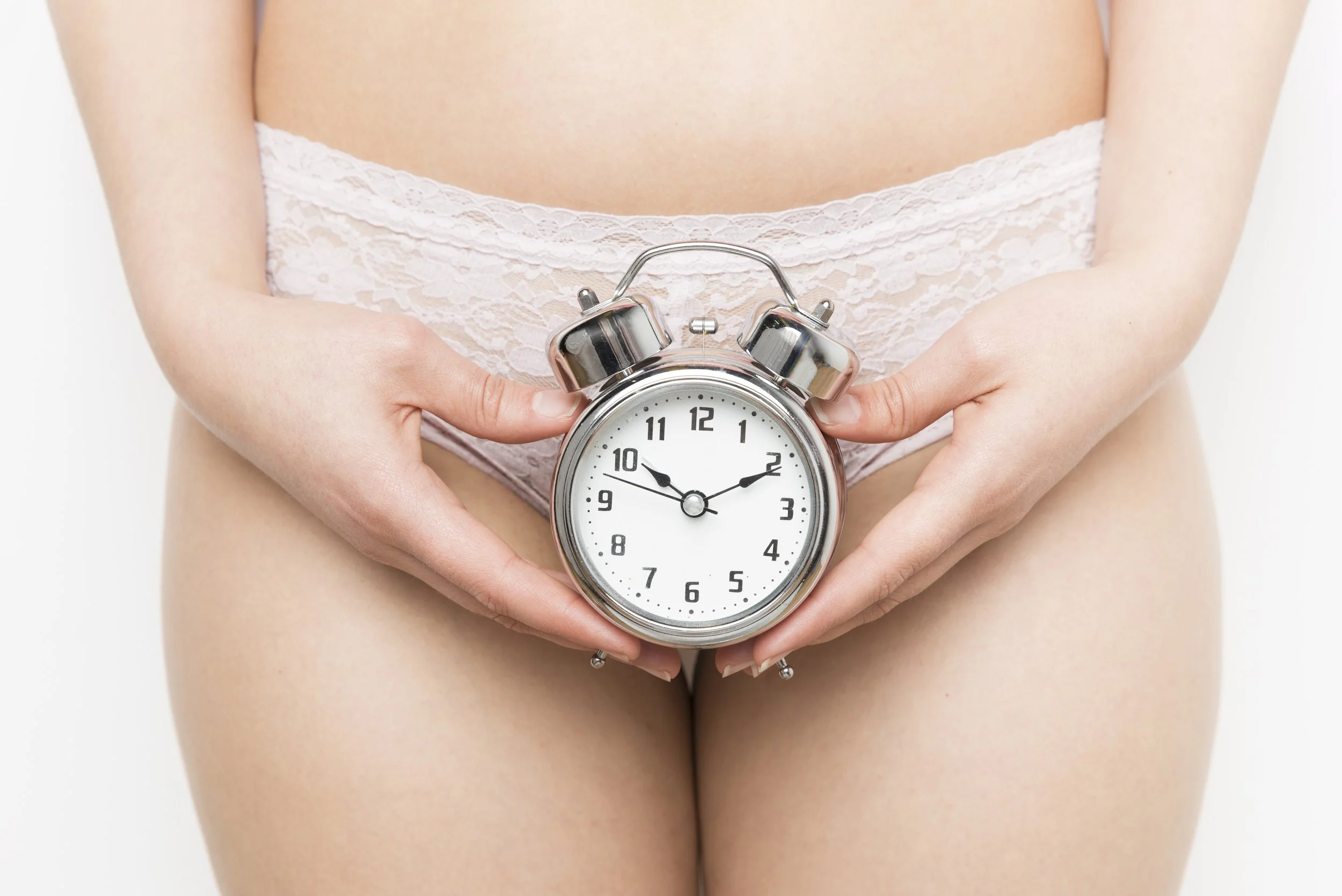
Fertility awareness and reproductive health
Understanding your ovulation and fertility window
Many women assume ovulation happens on Day 14 of their cycle, but research and real-life tracking show this is rarely accurate. Understanding your actual ovulation timing is essential for fertility awareness, conception, and reproductive health. This guide will break down why the Day 14 rule is a myth, what research tells us about cycle variability, and how you can track your fertile window accurately.
❓ Does ovulation really happen on Day 14?
No, the idea that ovulation reliably occurs on Day 14 comes from older calendar-based methods that assumed everyone had a perfect 28-day cycle. Research shows this is rarely true and most women’s cycles are shorter or longer, and ovulation timing can shift from month to month, even within the same person. Using Day 14 as a rule of thumb can be very inaccurate.
If you’re unsure whether you’re ovulating regularly, or whether ovulation is happening at all, that’s an important place to start. In this post, I walk through the signs of ovulation and how to know if your body is releasing an egg each cycle. → How Do I Know If I’m Ovulating?
⸻
❓ How much do menstrual cycles actually vary?
Healthy cycles can range from about 21 to 37 days. The follicular phase (before ovulation) varies the most, which is why ovulation can occur earlier or later than traditional estimates. Only a minority of women ovulate on Day 14, even if their cycle averages 28 days. This variability is normal and expected.
⸻
❓ What are the signs that I am ovulating?
Common indicators include:
Basal body temperature (BBT): Slight rise after ovulation.
Cervical mucus: Becomes clear, slippery, and egg-white–like near ovulation.
Cervical position: Softens and rises during ovulation.
Ovulation pain: Mild cramping in the middle of the cycle for some women.
Tracking several signs together is more accurate than relying on calendar predictions alone.
⸻
❓ How can I track my fertile window accurately?
Chart multiple signs: BBT + cervical mucus + cervical position.
Use ovulation predictor kits (OPKs) to detect hormonal surges (see recommended brands below).
Consider fertility monitors or digital devices for more precise readings.
Using a combination of these methods respects your individual cycle variability and gives a much more accurate picture of your fertile days than simply counting from Day 1.
⸻
❓ What ovulation tracking kits and monitors are recommended?
Confirmatory / Recommended Devices:
These predict your fertile window and confirm ovulation:
Proov Complete – Predicts ovulation (LH) and confirms egg release (PdG). No Wi‑Fi required. Offline tracking is accurate and minimizes wireless exposure, which could negatively impact fertility.
Mira – LH + estrogen to predict ovulation, PdG to confirm. Bluetooth only.
Inito – LH, estrogen, PdG for prediction + confirmation. Uses Wi‑Fi and Bluetooth.
Oova – LH + PdG tracking. Bluetooth only.
femSense – Temperature-based ovulation confirmation after it occurs. Bluetooth only.
Predictive / Less reliable devices:
These only detect LH surge and cannot confirm ovulation:
Wondfo, Pregmate, Easy@Home – LH strips, no Wi‑Fi.
Basic BBT thermometers – confirm ovulation after it happens but require manual charting.
Tip: Using multiple indicators (hormones + temperature + cervical mucus) gives the clearest picture of your fertile window.
⸻
❓ Why does it matter if I track ovulation correctly?
Because your cycle and fertile window vary, relying on the “Day 14” rule can miss your most fertile days. Accurately tracking ovulation helps improve your chances of conception, understand your reproductive health, and identify possible issues if you’re not ovulating regularly.
⸻
✅ Final takeaways:
Day 14 ovulation is a myth: most women do not ovulate exactly mid-cycle, and ovulation timing varies between and within individuals.
Cycle length varies naturally, especially the follicular phase, which is why calendar-based estimates alone are often inaccurate.
The fertile window shifts cycle to cycle, so tracking over multiple months provides more reliable insights.
Other causes of female infertility include tubal factors, endometriosis, PCOS, uterine or cervical issues, diminished ovarian reserve, and unexplained infertility. Male factor infertility accounts for 30–50% of cases.
Understanding your ovulation and fertile window is key to taking control of your reproductive health and making informed decisions when trying to conceive.
Fertility support for the whole of you — from experts who've been there.
What you eat, how you sleep, your environment, your emotional wellbeing — everything that happens between appointments matters. WOVA brings together leading fertility and health specialists into one daily support app, personalized to your situation.
Get the App → $26/month · Billed quarterly · 7-day money-back guarantee · Cancel anytimeReferences
van Anders SM, et al. Menstrual cycle variability and ovulation timing: evidence from [PMC8363181]. Front Endocrinol (Lausanne). 2021;12:687541. doi:10.3389/fendo.2021.687541
