
The Telomere-Fertility Connection: How Your Chromosomes Impact Your Reproductive Health
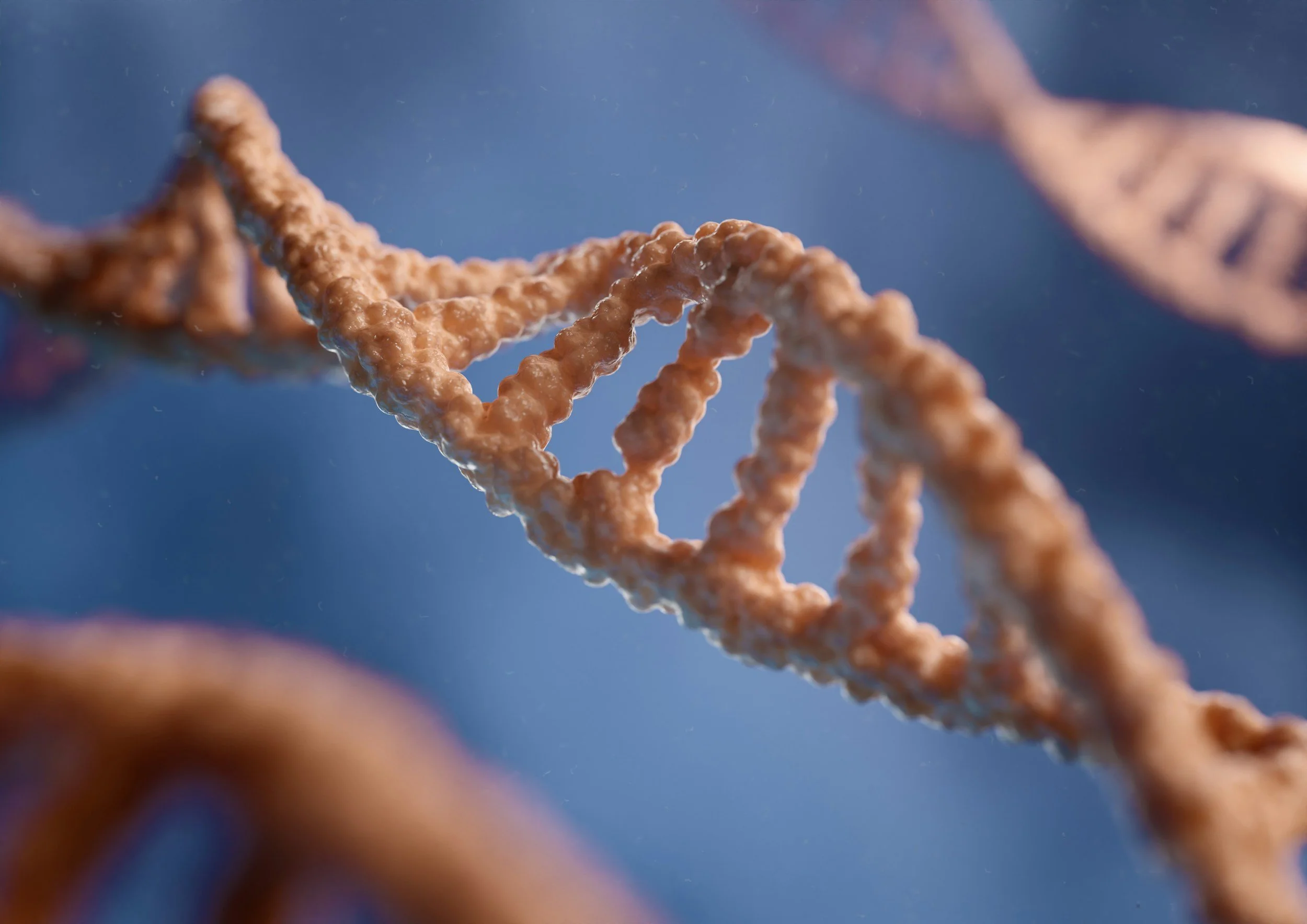
When we talk about fertility and reproductive aging, we often use the phrase "biological clock" but what if this clock has a physical manifestation in our cells? Emerging research suggests that telomeres, the protective caps at the ends of our chromosomes, may be a key component of our reproductive timeline.
What Are Telomeres?
Telomeres are repeating sequences of DNA (TTAGGG) that sit at the ends of our chromosomes, protecting our genetic material much like the plastic tips on shoelaces prevent fraying. Each time a cell divides, these telomeres naturally shorten. When they become critically short, cells either stop dividing or die, a process linked to aging and age-related diseases.
Nobel Prize-winning scientist Dr. Elizabeth Blackburn, who co-authored "The Telomere Effect," discovered how telomeres and the enzyme telomerase (which can rebuild telomeres) function as key regulators of cellular aging.
The Telomere Theory of Reproductive Aging
Reproductive aging, particularly in women, has long puzzled scientists. Women experience diminished fertility and increased pregnancy complications with age, while other bodily systems are still functioning well. Why does reproduction seem to age faster than the rest of the body?
Dr. David Keefe and colleagues proposed the "telomere theory of reproductive aging," suggesting that telomere shortening in the female germ line drives reproductive aging. Their research shows that telomere length plays a critical role in egg quality, fertilization, and early embryo development.
How Telomeres Affect Female Fertility
The relationship between telomeres and female fertility is complex:
Egg Quality: Women with shorter telomeres tend to produce eggs of lower quality, with increased rates of chromosomal abnormalities
IVF Outcomes: Research has found that women undergoing IVF who have shorter telomeres in their eggs produce more fragmented embryos that are less likely to implant
Extended Fertility: A fascinating 2022 study found that women who successfully conceived naturally and delivered healthy babies in their mid-to-late 40s had significantly longer telomeres than age-matched women who couldn't conceive after age 41
The picture becomes more nuanced with certain conditions. Women with endometriosis, premature ovarian failure, and polycystic ovary syndrome (PCOS) sometimes show longer telomeres, suggesting that the relationship between telomere length and fertility isn't always straightforward.
How Telomeres Affect Male Fertility
For men, the evidence is more consistent:
Sperm Count and Quality: Shorter telomeres in sperm are associated with lower sperm count, reduced motility, and abnormal morphology
Fertilization Ability: Sperm with shorter telomeres show reduced capacity to fertilize eggs successfully
Embryo Development: Male factor infertility linked to short telomeres can lead to poor embryo development even after fertilization occurs
Unlike women, who are born with all the eggs they'll ever have, men produce new sperm throughout their lives. Interestingly, the testes contain spermatogonia that can rejuvenate telomere reserves by expressing telomerase, potentially explaining why male fertility can extend later into life than female fertility.
The Two-Hit Theory: Why Oocytes Age
Researchers have proposed a "two-hit" explanation for how telomeres impact female fertility:
First Hit: Oocytes in older women have gone through more cell divisions during fetal development, leading to shorter telomeres
Second Hit: Throughout a woman's life, her eggs accumulate environmental and endogenous oxidative damage, which particularly affects telomeres due to their guanine-rich sequence
This double impact may explain why female fertility declines more dramatically with age than other bodily functions.
Lifestyle Factors That Affect Your Telomeres
In "The Telomere Effect," Drs. Blackburn and Epel detail how our daily choices can influence telomere length:
Chronic Stress: High stress levels trigger stress hormones that accelerate telomere shortening. People experiencing chronic stress show telomere lengths equivalent to someone a decade older.
Sleep Quality: Poor sleep disrupts numerous biological processes that maintain telomeres. Aim for 7-8 hours of quality sleep.
Exercise: Regular moderate physical activity is associated with longer telomeres. Even 15 minutes of daily exercise shows benefits.
Nutrition: Mediterranean-style diets rich in omega-3 fatty acids, antioxidants, and low in processed foods support telomere maintenance. Foods high in antioxidants help protect telomeres from oxidative damage.
Mindfulness Practices: Meditation and other mindfulness activities have been shown to boost telomerase activity, potentially helping to rebuild telomeres.
The Mind-Telomere Connection
Perhaps most surprisingly, your thought patterns may influence your telomeres. "The Telomere Effect" highlights how negative mental states like cynical hostility, pessimism, and rumination correlate with shorter telomeres, while positive states like optimism and having a sense of purpose associate with longer telomeres.
This mind-body connection suggests that psychological well-being could influence not just overall health but potentially fertility as well.
Can You Protect Your Reproductive Telomeres?
While we can't stop aging entirely, research suggests several approaches that might help preserve telomere length and potentially support fertility:
Manage oxidative stress: Antioxidant-rich foods and supplements may help protect telomeres from damage
Reduce chronic psychological stress: Meditation, yoga, and other stress-management techniques may help prevent telomere shortening
Maintain healthy body weight: Obesity is associated with accelerated telomere shortening
Avoid toxin exposure: Environmental toxins and smoking accelerate telomere attrition
Consider telomerase-activating approaches: Though still experimental, some compounds may help activate telomerase
The Future of Telomere Research in Fertility
As reproductive medicine advances, telomere length may become a valuable biomarker for assessing fertility potential and guiding treatment decisions. Some researchers are exploring whether measuring telomere length in polar bodies (cells discarded during egg development) could predict which eggs will develop into healthy embryos.
The field is also investigating whether lifestyle interventions that protect telomeres could become part of fertility preservation strategies for people delaying childbearing.
Conclusion
The relationship between telomeres and fertility represents a fascinating frontier in reproductive medicine. While we still have much to learn, understanding this connection offers new perspectives on reproductive aging and potential strategies for protecting fertility.
The next time you hear someone mention their "biological clock," remember, they might be talking about their telomeres. And unlike many aspects of fertility, telomere health is something we may have some control over through our lifestyle choices.
Fertility support for the whole of you — from experts who've been there.
What you eat, how you sleep, your environment, your emotional wellbeing — everything that happens between appointments matters. WOVA brings together leading fertility and health specialists into one daily support app, personalized to your situation.
Get the App → $26/month · Billed quarterly · 7-day money-back guarantee · Cancel anytime
References
Keefe DL, Liu L. Telomeres and reproductive aging. Reprod Fertil Dev. 2009;21(1):10-14. doi:10.1071/RD08229
Vasilopoulos E, Fragkiadaki P, Kalliora C, et al. The association of female and male infertility with telomere length (Review). Int J Mol Med. 2019;44(2):375-389. doi:10.3892/ijmm.2019.4225
Keefe DL. Telomeres, Reproductive Aging, and Genomic Instability During Early Development. Reprod Sci. 2016;23(12):1612-1615. doi:10.1177/1933719116676397
Kalmbach KH, Antunes DM, Dracxler RC, et al. Telomeres and human reproduction. Fertil Steril. 2013;99(1):23-29. doi:10.1016/j.fertnstert.2012.11.039.
Blackburn E, Epel E. The Telomere Effect: A Revolutionary Approach to Living Younger, Healthier, Longer. Grand Central Publishing; 2017.
Fattet AJ, Chaillot M, Koscinski I. Telomere Length, a New Biomarker of Male (in)Fertility? A Systematic Review of the Literature. Genes (Basel). 2023;14(2):425. doi:10.3390/genes14020425
