
ABOUT
Why Fertility Became My Mission
Gabie’s Story
“I’ve always wanted to be a mom.
As a little girl, I used to fall asleep imagining my future: my husband, our two children, and the life we would build together. I never imagined how difficult and lonely the path to getting there could be.”
Gabie Peytchev, Founder of WOVA Health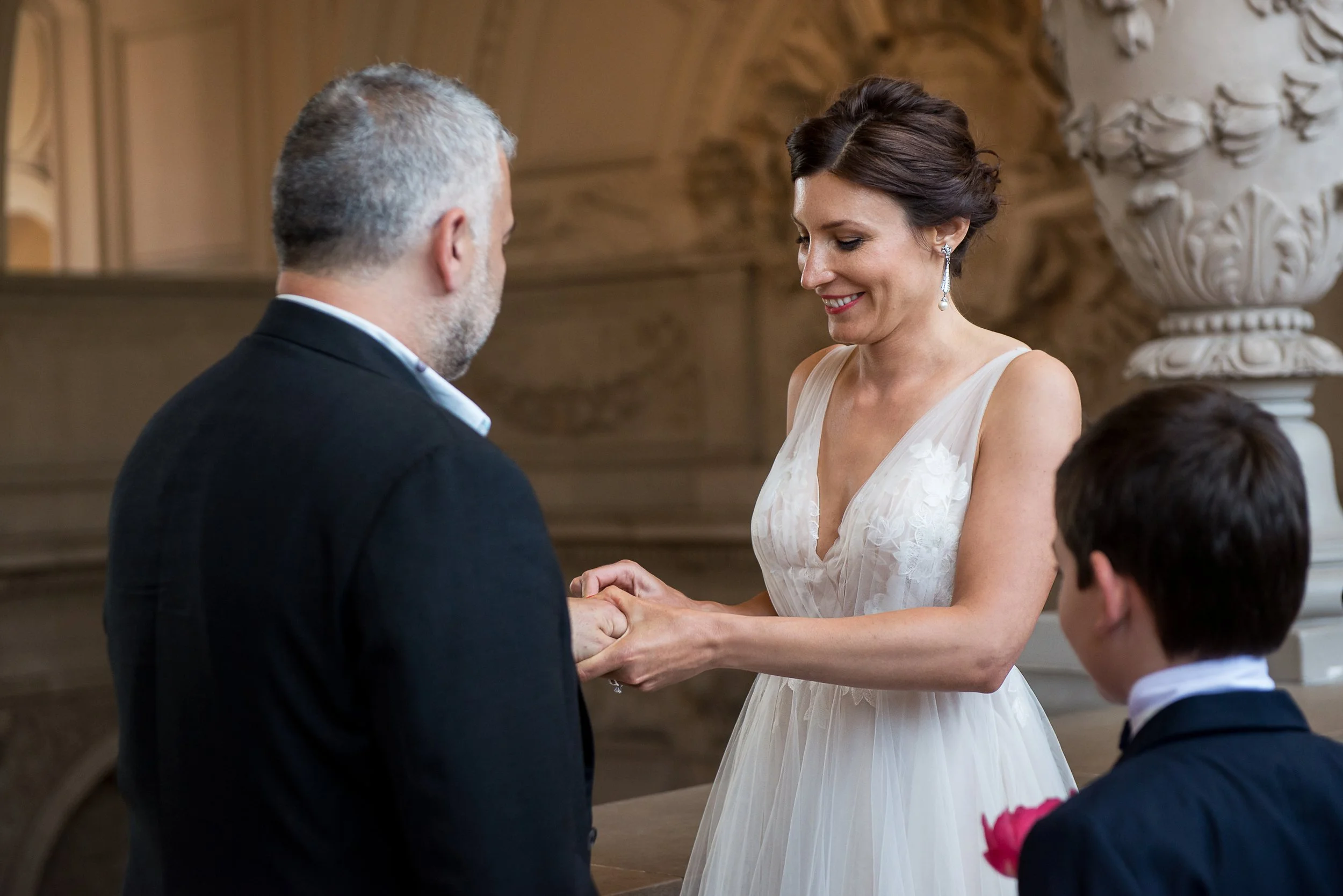

Gabie’s Mission
At WOVA Health, our mission is to help people feel clearer, more grounded, and less alone while growing their family.
We provide integrated, whole-person fertility support that works alongside clinical care, with guidance around lifestyle, nutrition, emotional wellbeing, and other factors that impact reproductive health but often fall outside the scope of a doctor’s visit. Whether you’re trying naturally, preparing for treatment, or navigating fertility care, WOVA is designed so you don’t have to carry any of it on your own.
MEET THE FOUNDER
Gabriela Peytchev
Sharing Her Story
Founder | CEO | IVF Mama
I never imagined that becoming a parent would be so difficult and isolating.
I got married and was ready to have a baby. My husband and I were excited to start this new chapter of our lives. So, I went to my gynecologist and, per his direction, started a prenatal vitamin. A year passed and I started to worry because I wasn’t yet pregnant. That's when all the appointments, tests, confusions, and unanswered questions started to flow and eventually overtake my entire life.
I shared what I was going through with only a few people. Over time, I heard the stories of friends who had also struggled with infertility. So many of us, most carrying the emotional burden in isolation.
While all of us had our own experience with the medical system, one thing stood out across every story: there are important, evidence-based aspects of trying to conceive that often sit outside clinical care and they can be hard to access or hard to know how to use in real life. Even when you find the right experts, you’re often left to piece everything together yourself.
That’s what led me to create a space that supports individuals and families on their reproductive journey, no matter where they are in the process.
My 20s: My First Time
In my 20s, I was planning a family with my partner at the time. After a year of trying, we were diagnosed with male factor infertility. The path forward we were offered was IVF and while that may well have been the right clinical recommendation, what was missing was any real conversation about the rest of the picture: his health, our lifestyle, the things we might have done together as a couple alongside treatment. Our relationship didn't survive that period and we never moved forward.
My 30s: My Second Time
In my 30s, I faced another challenge: unexplained infertility with my husband. After a year of trying, we were directed toward IVF, and while the recommendation may have been appropriate, what was missing, like before, was a fuller conversation about what else we could do alongside it. We moved forward. Our first cycle failed…
I got the call in the middle of my workday. They said none of our embryos had survived for transfer. I don't know how to describe the heartbreak I felt after that sentence. What I needed in that moment was someone to help me process what had happened, make sense of what came next, and find a little hope to hold onto. Instead, at the next consultation, I was told that if our next cycle failed too, I might want to consider an egg donor. My heart sank. We hadn't even had time to grieve what we'd just lost.
I learned so much from my own experience but also from friends going through their own fertility struggles. Many had chronic metabolic conditions that had gone unrecognized for years, affecting their fertility before anyone connected the dots. Even when a diagnosis was finally made, they needed support on how to translate it into daily life. The decisions about food, movement, sleep, and stress were left for them to figure out on their own, often in the middle of treatment. Others moved through additional cycles wishing they had more support around the parts of the experience treatment doesn't touch: the emotional weight and the sense of agency that comes from knowing there are things you can do in your own life alongside the medical care.
I want to be clear: the clinicians I encountered were skilled and well-intentioned, and many people I know are deeply grateful for the care they received. What kept standing out to me was a structural gap. There often isn't time or scope in clinical care to look at whole-person health or what's happening between appointments. That gap is where so much suffering, confusion, and silence lives.
My husband and I tried many paths on the way to our daughter. We did IUI. We did IVF. We also tried lifestyle changes, alternative therapies, and everything else we could find that might help. I'm deeply grateful for the clinical care that ultimately brought Vickie to us. What I kept wishing was that I didn't have to be the one chasing down therapists, nutritionists, acupuncturists, and coaches one by one, vet them on my own, and try to piece it all together. Someone had to do that work. It shouldn't have to be the person already in the middle of it. It shouldn’t have to be me.
Welcoming Victoria
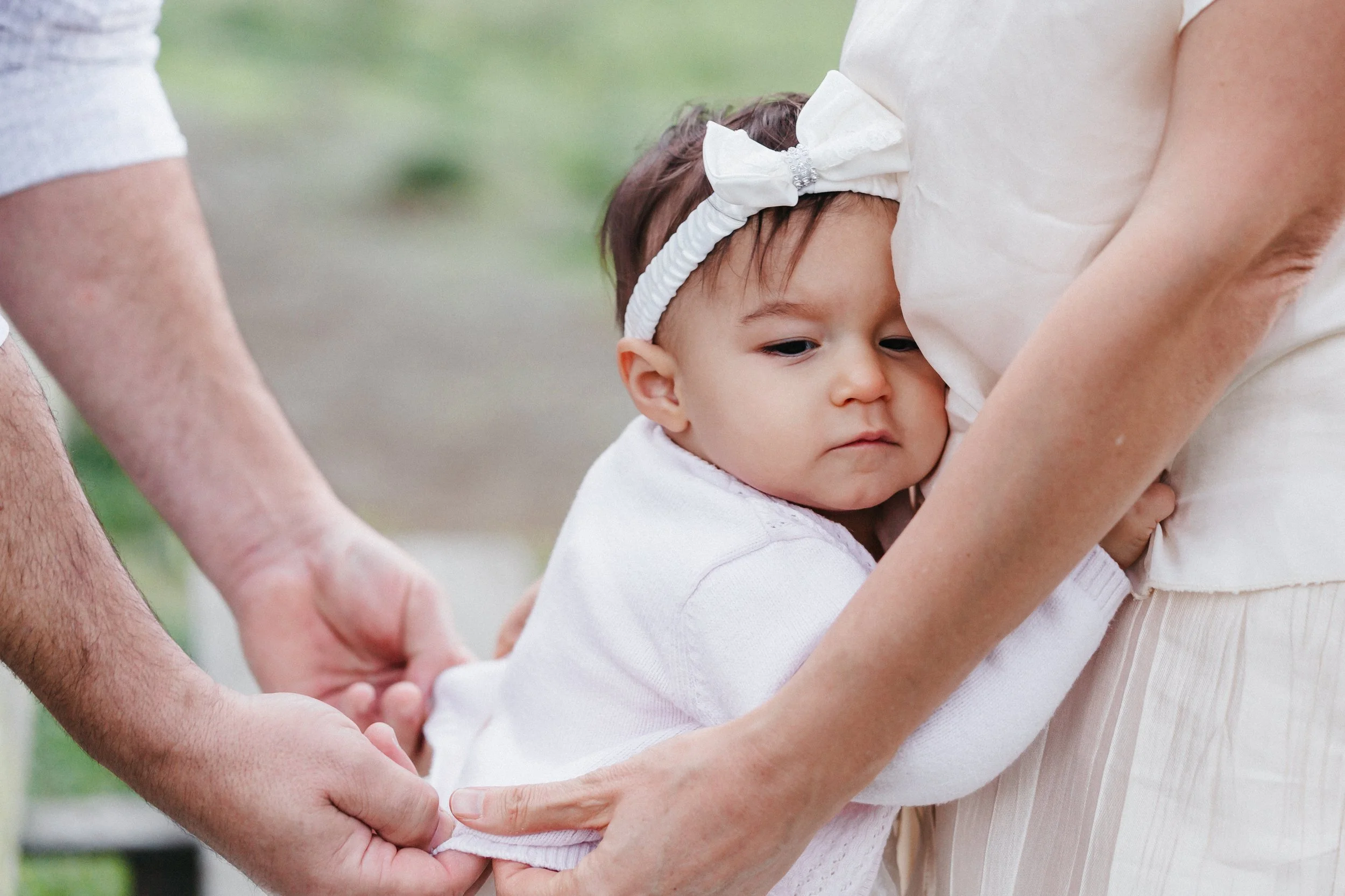
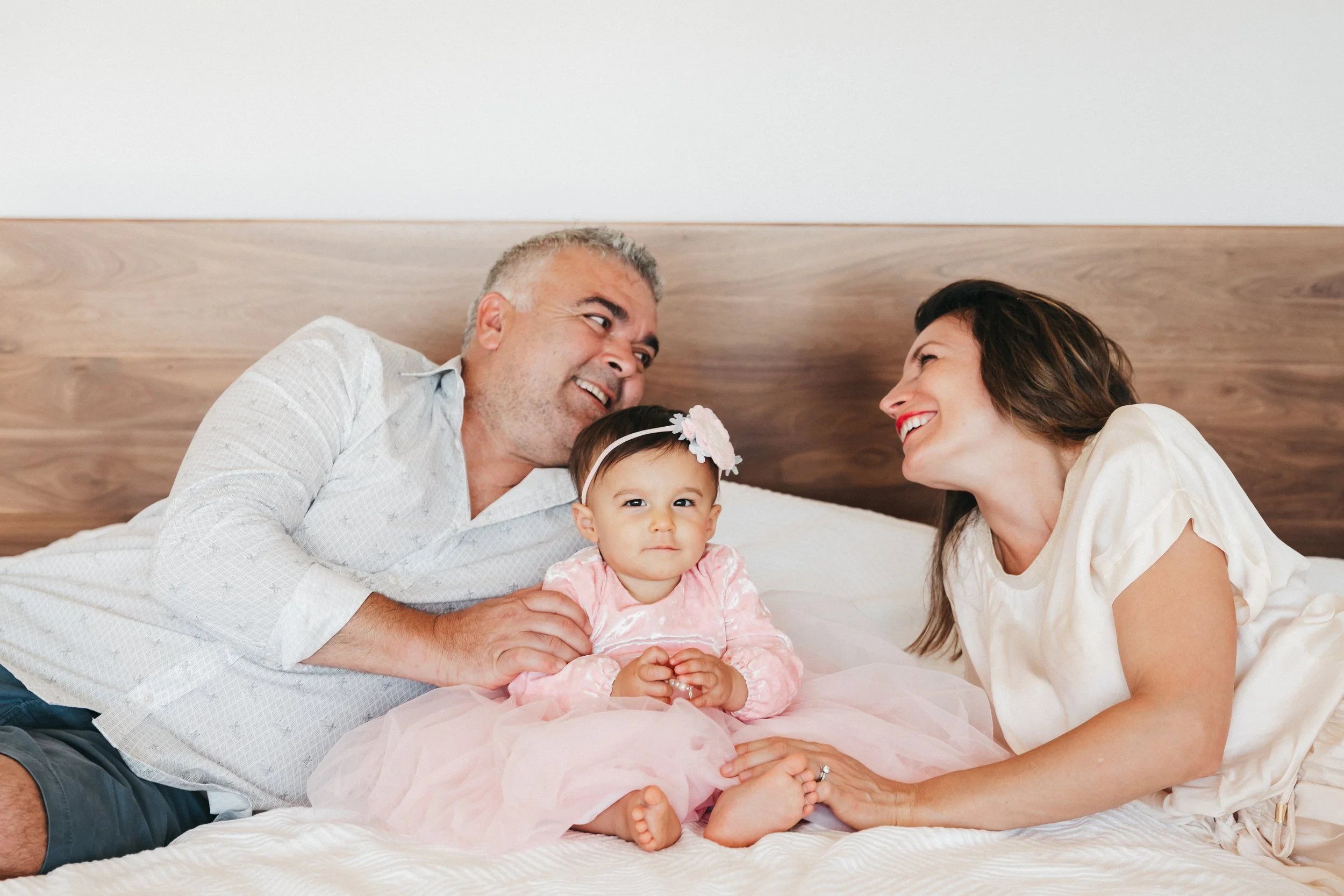
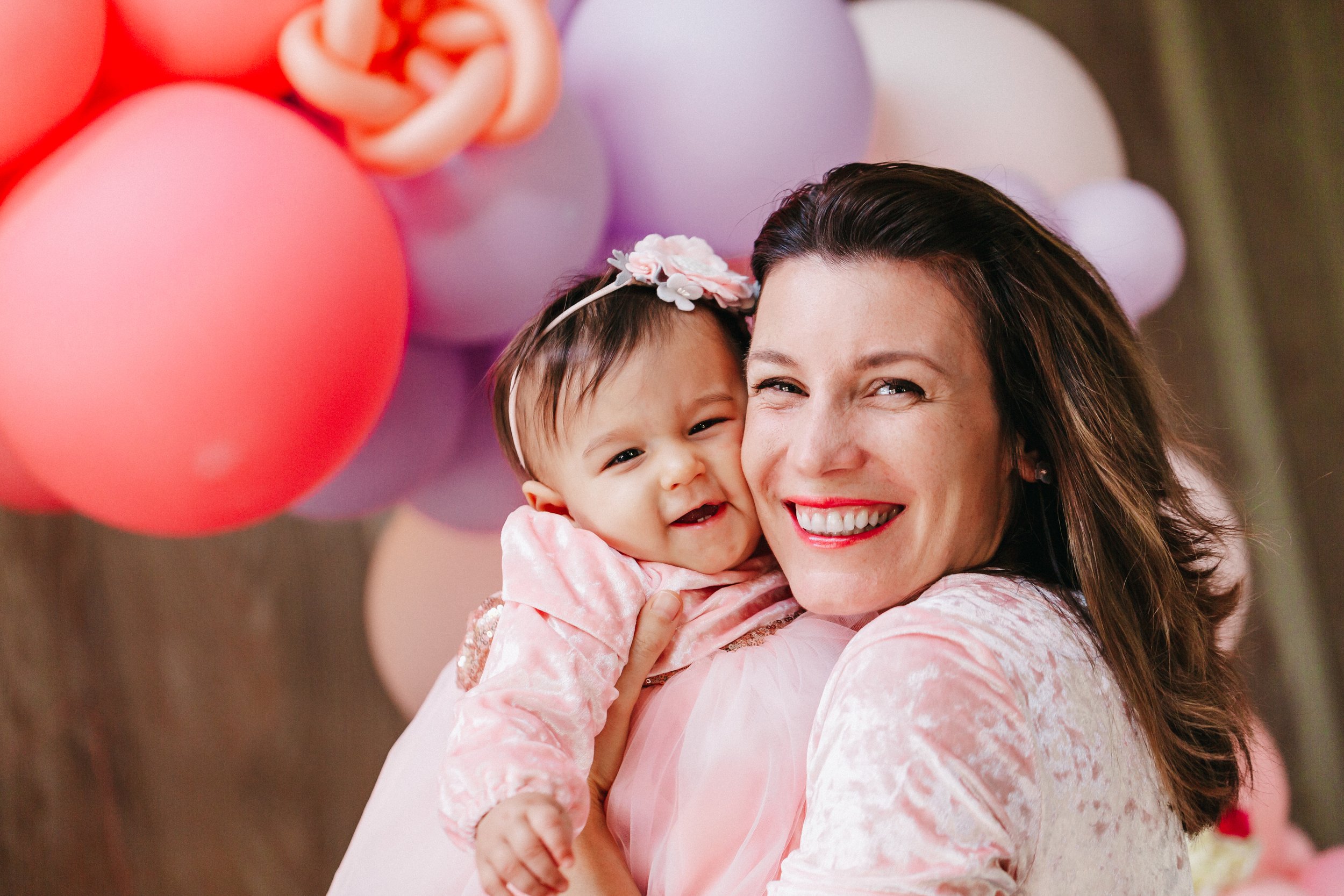
At 36, after a diagnosis of diminished ovarian reserve, I found a doctor who was the right fit for me, someone who took the time to listen, explained things in a way that resonated, and made me feel like a partner in my own care. Her approach helped me feel more grounded as I went through two more IVF cycles, and we welcomed our daughter, Victoria.
Holding It All Together
Through all of this, I realized how little attention is paid to the overall health of both partners. Both my husband and I were navigating health challenges, physical and emotional, that were affecting our fertility. We made changes, reached out for help, and built our own version of support, piece by piece. In reality, I was still the one managing it all and it shouldn't have been that way.
There's also a deeper problem in how this care is structured. Medical care and whole-body support are often positioned as if they're at odds. However, they belong together. My medical team got us to our daughter. The work alongside it helped me show up grounded, healthier, and more whole.
Why I Built WOVA
Before WOVA, I spent over 15 years in business, most recently as a Global Finance Director at Genesys and Cisco (AppDynamics), where I led teams and learned how to bring strategy, systems, and people together to solve hard problems. Over the years, I built teams, processes, and systems from scratch, skills I've been using to build WOVA from the ground up. I also earned my MBA at UC Berkeley Haas School of Business while working full-time.
Alongside my career, I developed a deep interest in biology, women’s health, nutrition, lifestyle, and the many ways our bodies, environments, and daily habits interact. Since 2014, I’ve spent years reading and learning about these topics, an interest that deepened further through my own experiences with fertility struggles in both my 20s and again in my 30s.
I remember being approached by my former boss, a senior executive at mid-size company, to join his growing startup as Chief Financial Officer. While I felt incredibly honored, it forced me to confront something I had been feeling for a while: I had reached the top of the career path I thought I wanted, but I no longer felt connected to it. I knew I wanted to build something more meaningful in the health space. I just didn’t yet know what form that would take.
Then my husband and I went through infertility.
After facing fertility struggles twice in my life, I knew I wanted to build the kind of support I had needed but couldn’t find: something that helps people feel more informed, grounded, and supported through trying to conceive while also helping them understand what they can realistically control and how to apply it to their own lives, without losing themselves in the process.
The Philosophy Behind WOVA
Healthier parents tend to bring healthier pregnancies and healthier children. The whole-body work people do during their fertility journey isn't just about getting pregnant. It's also about building a stronger foundation for the family they’re hoping to grow.
I believe whole-person fertility support belongs at the center of care.